Buying Guide · 2026-03-02 · 6 min read
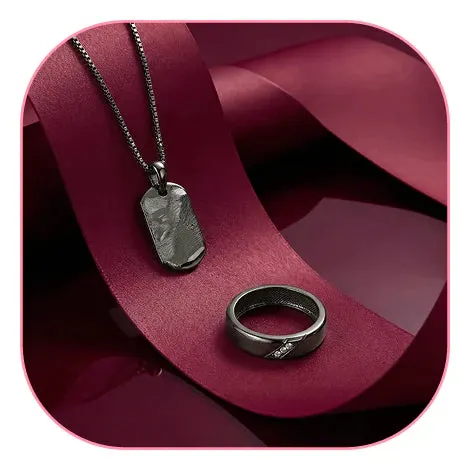
This is usually the deciding factor for most buyers. Silver costs a fraction of gold per gram, which means you can own several well-made silver pieces — different styles for different outfits and occasions — for what one gold piece would cost. This is a large part of why silver has become the go-to metal for everyday, wear-it-daily jewellery rather than occasion-only pieces.
Sterling silver holds up well to daily wear when cared for properly — cleaned occasionally and stored correctly, it lasts for years. It does tarnish over time (a normal reaction to air and moisture), which gold does not, though tarnish is easily reversed with cleaning.
Gold, particularly higher-karat gold, is softer than sterling silver and can scratch or dent more easily in daily use, which is one reason gold jewellery for daily wear is often made in lower karats (18K or below) alloyed for extra durability.
Genuine sterling silver is hypoallergenic, since it’s alloyed with copper rather than nickel. Gold jewellery’s skin-friendliness depends heavily on its karat and the specific alloy used — lower-karat gold jewellery can sometimes include nickel, which is the more common cause of jewellery-related skin reactions than either metal on its own.
If you’re building an everyday collection, want variety across styles and occasions, or have sensitive skin, silver is usually the more practical choice. If you’re buying for long-term value, a heirloom-style piece, or specifically want the traditional gold look for select occasions, gold remains the stronger pick for that purpose.
Many people simply wear both — silver for daily pieces like rings, chains and earrings, and gold reserved for occasion wear.